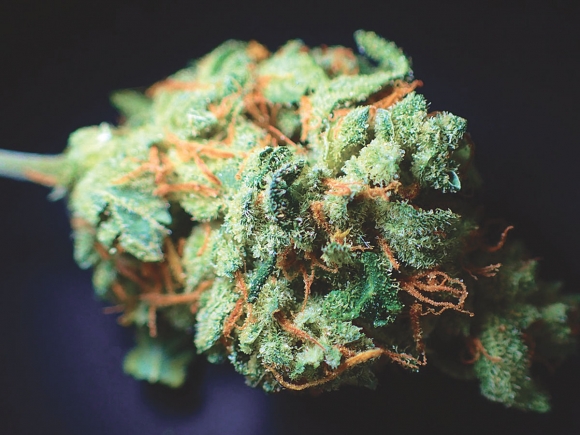
Growing your own cannabis is kind of like growing your own vegetables in a raised garden bed in your backyard. You know exactly what goes into it and therefore you know exactly what goes into your body.
As someone that has been in the cannabis industry my entire life I’ve smoked it all, Mexi brick, (not advised), some great BC bud that made its way down from British Columbia in the 1990’s, exceptional medical cannabis grown under prop 215 in California in the early 2000’s, the best bud you can possibly smoke my own homegrown, which started in Indiana in around 2010 and now (unfortunately) dispensary weed. If you are really on your A game and you do your due diligence, and you’re living in a “legal” state where they exist, you might be able to find a great dispensary. But they are far few and in between. In the seven years I lived in the Denver area I can only vouch for ONE dispensary L’Eagle. 99.9% of the roughly 400 licensed dispensaries in Colorado grow trash cannabis.
Out of all the cannabis I listed above, I can easily say that dispensary weed in Colorado circa 2016-the present is the worst. I smoked plenty of Mexi brick no doubt grown by the cartels using god knows what processes not only to grow it, but get it across the Mexican/US border. But I have never felt the way that I felt in 2016 when I went to the, unbeknownst to me at the time, Walmart of weed The Green Solution.
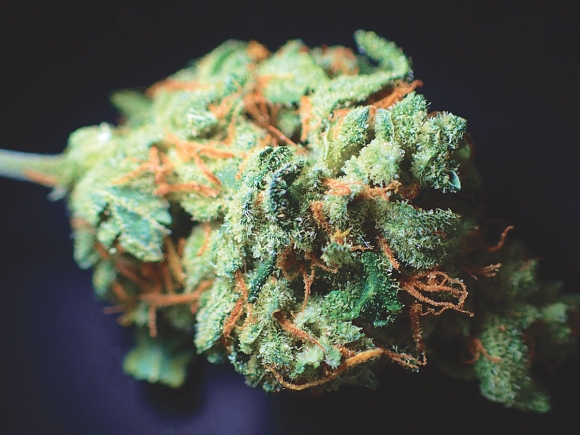
My wife Samantha and I drove straight from Indianapolis to Denver with no real breaks. An 18 hour drive in a Uhaul with no cruise control towing a Honda civic, thinking the whole time how the truck is going to blow over due to the intense wind in Kansas. By the time we got to Denver to say I needed a smoke was an understatement. I went to the Green Solution, bought an 8th of Glass slipper and had what I’m assuming was the closest thing to a panic attack that I’ve ever had. I am no novice, as a near every day smoker since I was 15 years old I had never felt that way after smoking cannabis. I knew immediately there was something amiss.
At that time I was working as an advertising executive for a publishing company growing my own cannabis in Indiana and hadn’t smoked anything but my homegrown cannabis for some time. Which is like eating vegan for a year and then trying to hold down some day old McDonalds (smoke GS weed). It wasn’t until I started doing my own due diligence to understand what processes were implemented in current grows that I learned just how abysmal the standards are for commercial grows in Colorado and most likely the rest of the country.
So how did we get here? How did medically legal cannabis under California prop 215 (the first cannabis legislation in the country combatting prohibition) allow farmers to grow exceptional cannabis compared the garbage that is shoveled out by the pound in commercial grows in CO and other states today? Well it should come as no surprise it’s the US government almost solely responsible. The same way they fucked up cannabis with prohibition, they fucked cannabis consumers and business owners in legal markets by overtaxation, largely in the form of municipal and state taxes and through ridiculous application and licensing fees. These costs not only prohibit most legacy market farmers from entering the fray, but licensed legal market operators have to cut so many corners just to have the slightest chance of turning a profit the cannabis that they grow is not only horrible, but toxic.
The case in Massachusetts of Lorna McMurrey who died working in a processing facility simply being in contact with cannabis pollen and mold spores should be enough to give pause to people that are actively combusting or ingesting these types of products. I worked at a commercial grow in Boulder CO called 75 Farm where we had all the same issues, when multiple members of the processing team got sick, the company’s solution was to fire everyone that got sick. But 75 Farm is a story for an entirely separate blog; as are the specific processes that are used to get products on shelves as quickly as possible regardless of the negative effects to the end consumer.