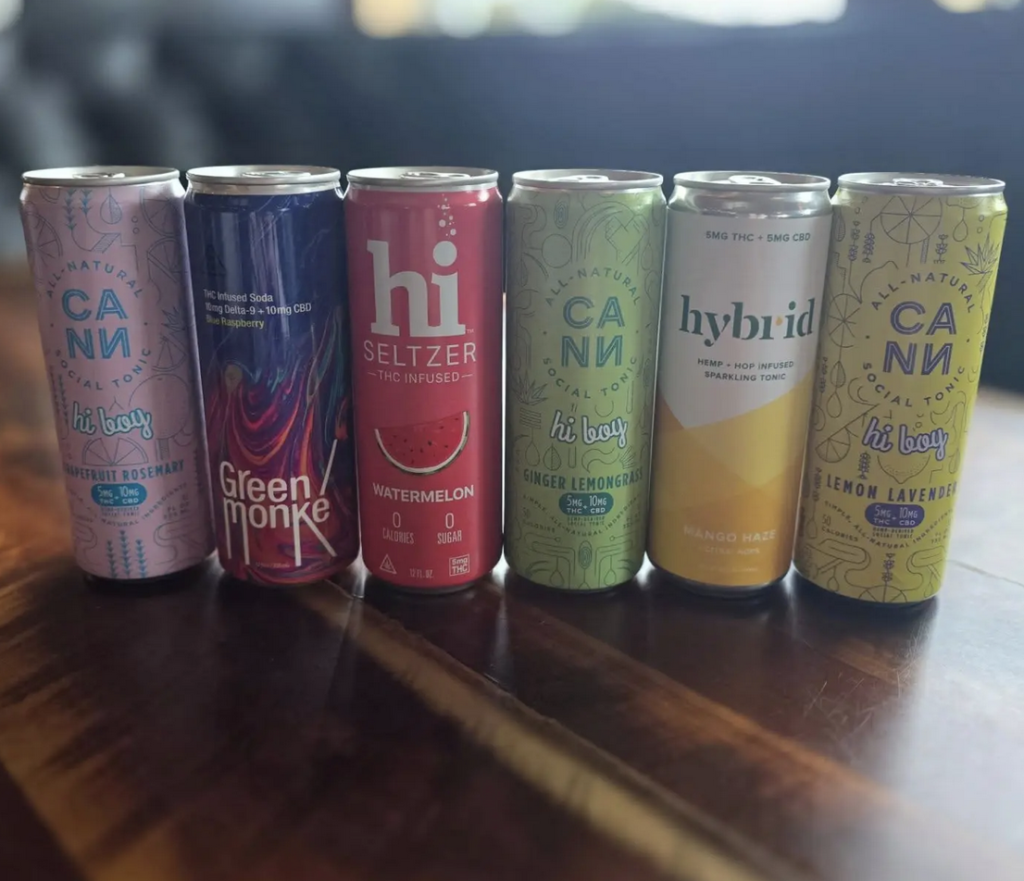
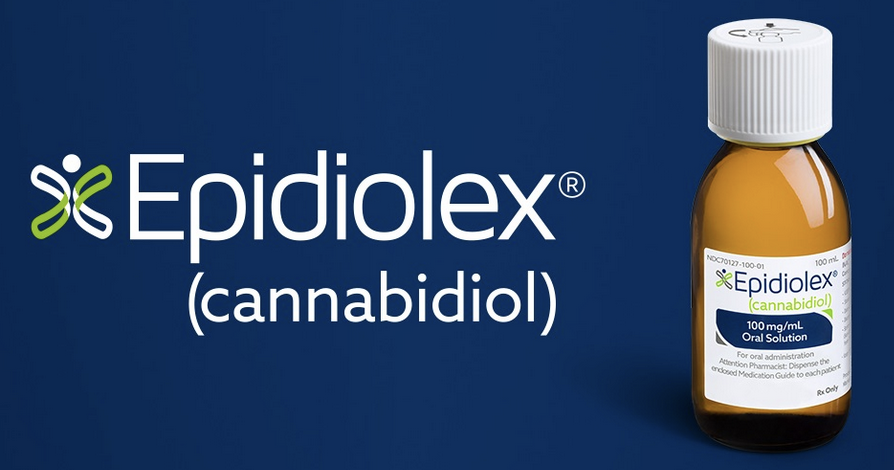
Do you live in a state where there is no cannabis legalization—either medicinal or recreational? If so, you may be wondering how you can buy THC vapes and beverages at the gas station. Well, it all goes back to the Farm Bill and the loophole it created with “hemp”-derived THC. I put hemp in quotations because all cannabis is hemp, and all hemp is cannabis—specifically under the genus/species Cannabis sativa. Only the introduction of the 2018 Farm Bill made a distinction that cannabis containing less than 0.3% THC by weight is considered hemp (totally fucking arbitrary—this was under Jeff Sessions and Trump, for God’s sake) by the federal government and therefore federally legal. If we’re going by the book (which the government usually only does when it suits them), that federal distinction of hemp supersedes state laws—even in states that explicitly ban cannabis in its flower form.
Weight by Volume (WBV)
So how is hemp (the 0.3% THC variety—moving forward, assume every time the word hemp is used, it’s referring to said variety) used to create THC at levels that actually get people high? Well, there’s not a simple answer, because there are several methods I know of from firsthand experience, and there are other chemical processing methods I’m not personally familiar with.
Let’s start with my first experience with hemp-derived THC. Circa 2019, I was interviewing with a company that was selling THC edibles that were “legal in all 50 states.”
Ok, hard stop. There was no legalization on the books, to my knowledge at the time, allowing for THC edibles to be distributed across state lines. Certainly these products weren’t getting people high, were they?
As a former board member of Denver NORML, I had done my fair share of lobbying and had read up on many of the provisions of the 2018 Farm Bill. As a lifelong consumer, I knew the 0.3% THC limits weren’t getting anyone high from the flower. So I asked the interviewers how they were creating a viable product that would get people high. They were pretty vague, so I did some digging.
Here’s the catch: the original language of the legislation was written in a way that assumed the 0.3% THC limit was weight by volume of cannabis flower—not necessarily edibles—but the bill was not explicit, allowing consumer packaged goods manufacturers to take that WBV formula and apply it to edible products as well.
Here’s where it gets tricky (ready to get into the weeds? pun intended). Have you ever had a Jolly Rancher? Great candy, as far as hard candies go at least. Well, they’re pretty heavy, so you could get a significant amount of THC into one and still be under the WBV limit.
Now let’s hop down the rabbit hole a little further. Most people have heard of at least one novice cannabis consumer who overdoes it on edibles and asks to be driven to the emergency room. Here’s the funny thing about those scenarios: it’s not actually the fault of the consumer that they’re having a bad experience, as edibles can be highly unpredictable. I know from experience, if you know what I mean.
When you consume edibles, they pass through your liver, undergoing a chemical conversion from Delta-9 THC to 11-hydroxy-THC, and depending on your personal physiology (something that’s never discussed in strain descriptions—which is a tragedy, but I digress), it could have a 3–5× multiplier effect on your intoxication or high. Furthermore, I believe experiencing high levels of 11-hydroxy-THC (in my personal experience) is far more impairing than using other methods such as smoking or vaping cannabis. I personally don’t like to drive after taking a lot of edibles, for example.
THCa Omitted from the Farm Bill
Herein lies another layer of ambiguity in the 2018 Farm Bill. To the uninitiated, let me explain the difference between THCa and THC. THCa stands for tetrahydrocannabinolic acid and (confusingly) is not the active form of THC. THC is the active form—the one that gets you high. THCa must be decarboxylated (by removing a carbon group from the compound) and converted into THC before it can be consumed to produce intoxication. In other words, you have to heat it up first—vaping, smoking, or baking your cannabis before making edibles are all forms of decarbing.
Since the original Farm Bill didn’t include a ban on THCa, many companies took advantage of that and ran with it. I literally saw companies on Meta running ads shipping “THCa flower to all 50 states.” Well, dipshits, all cannabis contains mostly THCa, not THC—because in its raw form, it isn’t decarbed yet and therefore cannot get you high.
So I noticed all these comments from unassuming people who were completely unaware that they were breaking federal drug trafficking laws by shipping this stuff across state lines. These companies were just doing whatever they could to make money and leaving their “clients” holding the bag. If any of those packages were snagged by the USPS or another parcel service, those customers would face criminal liability. Not to mention, the “cannabis” these companies were selling looked like spice.
That Loophole Being Closed by an Amendment
Since the rise of interstate commerce involving cannabis flower, legislators have amended the Farm Bill to include THCa under the 0.3% limit as well.
Other Processes to Make “Hemp-Derived THC”
This part of the post covers something I don’t have personal experience with, but apparently, there are chemical ways of turning other phytocannabinoids, like CBD or CBN, into THC. Again, anything I’d contribute here would come from third-party sources on the internet—and when I Google or chat information about cannabis, I usually find a lot of misinformation or disinformation, as most sources are pulling from third parties with their own agendas.
Hemp THC Ban
Due to the aforementioned information the US government is now looking to make it illegal for Hemp based THC products to be sold in states where cannabis is not recreationally legal. As I write this blog post this amendment is in limbo as congress is currently experiencing a federal shut down (this Oct. 9th 2025).
What Did We Learn
I hate to be so cynical, but there’s just nothing people in this country (and many others) won’t do to make a buck. I’ve mentioned this in other blog posts, but it’s worth repeating: you, for the love of God, should not be able to pick up a THC beverage next to a Red Bull. Gas station attendants should not be able to hand out a product that, if taken in excess, will land you flat on your ass—and potentially in jail—if you’re driving or responsible for the welfare of others.
I always say, smoke to your heart’s content—you can only get so high from smoking. But edibles? 11-hydroxy? The sky’s the limit. I’m an everyday smoker, and when I ate an entire mL of FECO oil (one syringe), I went to hell and back—and it was a 24-hour experience. So imagine someone who’s never even smoked accidentally picking up a 30 mg beverage and then getting behind the wheel?
It’s these types of companies that hold us back—along with our own government allowing such blatant, irresponsible practices to continue in the cannabis space. Cannabis is medicine, but like all things in this country, we exploit cannabis and its consumers to line our pockets, regardless of the long-term effects.