Yes, it pretty much is from everything that I’m finding online. Now, any stoner will tell you the last thing that you want to do after smoking a fat blunt or taking a huge dab is do something that you don’t want to do. If it is a cognitively challenging task, being lit out of your mind is probably not the best course of action to perform said task, obviously memory is important when doing any task.
The way I approach my cannabis consumption is sacrosanct. I generally don’t even smoke until the end of the day, and when I do smoke, I generally do not have anything important to do after that. I usually will watch a movie and chill. From what I am researching online, I’m really only finding that initial short-term memory loss right after smoking is what is most prevalent concerning cannabis and memory loss.
Harvard Article
An excerpt from Harvard Medical School article concluded the following:
However, there’s no question that marijuana (the dried flowers and leaves of the cannabis plant) can produce short-term problems with thinking, working memory, executive function, and psychomotor function (physical actions that require conscious thought, such as driving a car or playing a musical instrument). This is because marijuana’s main psychoactive chemical, THC, causes its effect by attaching to receptors in brain regions that are vital for memory formation, including the hippocampus, amygdala, and cerebral cortex. The extent to which long-term use of marijuana (either for medical or recreational purposes) produces persistent cognitive problems is not known.
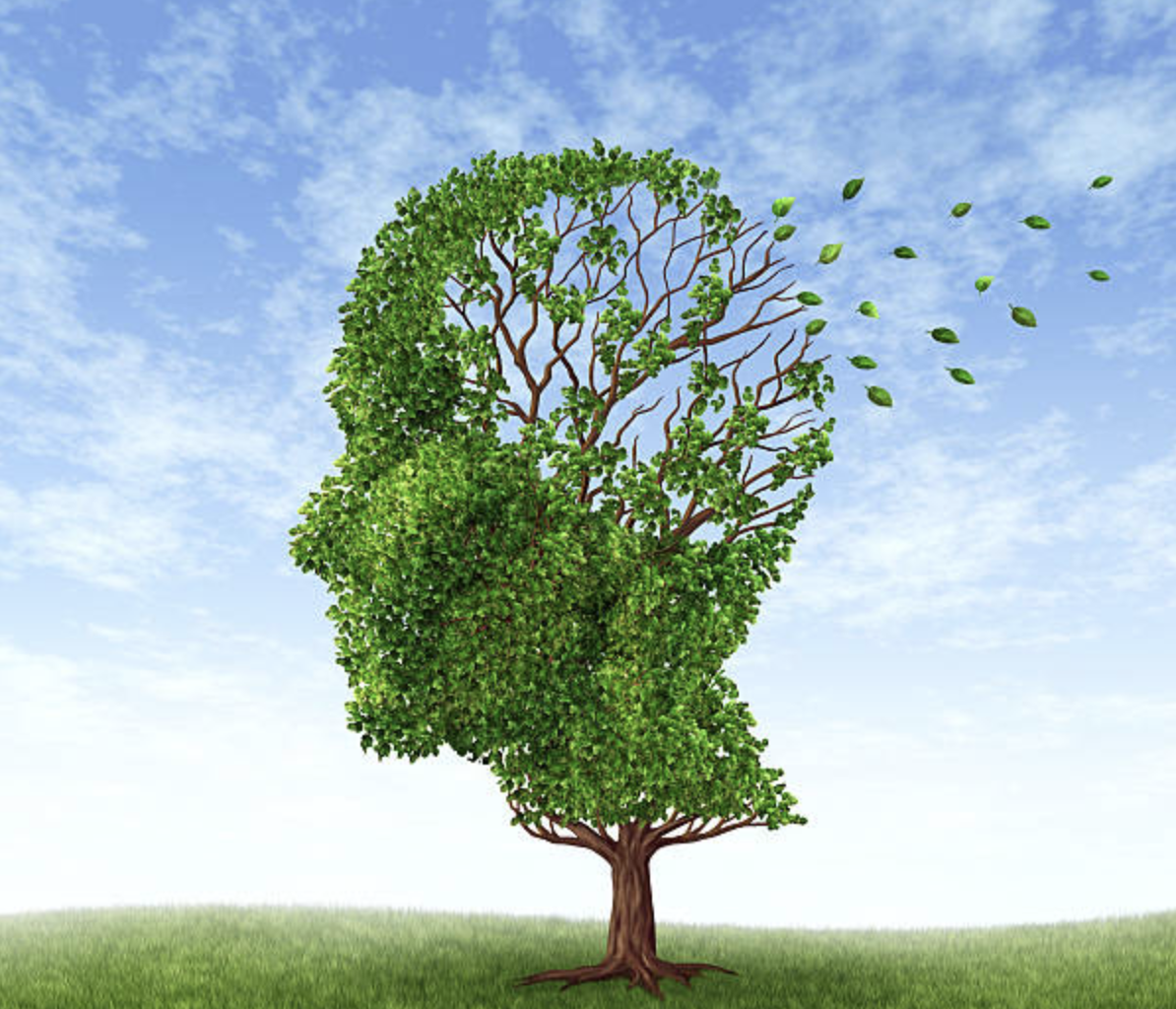
Previously, I wrote a blog post on how we came as a society to the conclusion that cannabis kills brain cells, and it’s so fucking disgusting. If you want to cringe, read the blog post and scroll down to the heading entitled “The lie that cannabis kills brain cells.” I think this is the genesis of where a lot of people associate cannabis with long-term memory loss.
John Hopkins Study
A study that I have found from John Hopkins Medical School actually concluded that patients with Alzheimer’s disease who were treated with synthetic cannabis actually showed a decrease in Alzheimer’s agitation — which, according to Google, is a common behavioral symptom involving restlessness, emotional distress, and potentially aggressive verbal or physical outbursts, stemming from the disease’s impact on the brain’s ability to manage emotions and process information. Now, in my experience, anything synthetic cannabis can do, real cannabis (as long as it’s grown properly) can do better. And sadly, with cannabis sitting where it is still as a Schedule I drug (until the DEA gets off their asses with the Trump executive order), clinical trials are not going to happen anytime soon in the US.
There is a lot of information out there about how cannabis may cause long-term memory loss, but it’s always may. With the evidence not being totally conclusive and participants being people that, if they are heavy cannabis consumers, might speak more to the types of people who are (frankly) typical stoner personas that may have debilitating habits. There are plenty of people that consume cannabis heavily that are productive members of society, but they might choose not to participate in such studies due to the continued stigmatization of cannabis.
National Institute of Health
The following is an excerpt from the NIH on the conclusions they have found concerning long-term effects of cannabis even after abstaining:
Cannabis appears to continue to exert impairing effects in executive functions even after 3 weeks of abstinence and beyond. While basic attentional and working memory abilities are largely restored, the most enduring and detectable deficits are seen in decision-making, concept formation and planning. Verbal fluency impairments are somewhat mixed at this stage. Similar to the residual effects of cannabis use, those studies with subjects having chronic, heavy cannabis use show the most enduring deficits.
Now, it’s worth mentioning this is the National Institute of Health. Part of the same government that has cannabis as Schedule I and simultaneously has a US patent on cannabis. So sure, they are not to be trusted, but also even their findings are not conclusive about the negative long-term mental health effects of cannabis.
Here is my position. Firstly, I’ve never understood people that just smoke blunt after blunt. It kind of makes me sick. I do smoke every day, but for medical reasons. If not, I would probably keep my cannabis consumption to the weekend. One, I like to have a low tolerance to achieve that deep cerebral high that I think is hard to come by when you smoke every day, and two, it’s just wasteful and foolish to have a high tolerance. When I was in high school, I remember smoking four blunts of mexi-brick a day, and I will be the first person to tell you how stupid that was. When you smoke that much, you barely get high because your system doesn’t have an opportunity to reset. So I believe all things in moderation unless you have cancer and need to take RSO to cause remission. So if you consume moderately I think you will be okay. But even if you do consume everyday heavily, there are so many things that are legal in the US that are far more debilitating.
At the end of the day, the things that are allowed to be prescribed by the FDA have so many side effects that you are left wondering if the cure is worse than the disease. So if these studies are pulling teeth to convince people of how harmful cannabis is over long-term heavy use, I think the takeaway is pretty clear: it’s really not that harmful. Now, once we start doing clinical trials, we will have more evidence, but for now I say what I always say. If you are going to take medicine, it’s best to take it from Mother Nature, avoid man-made medicine at all costs, and understand that our healthcare system is run by CEOs, not doctors, and curing diseases isn’t profitable. One love.