What People Generally Think
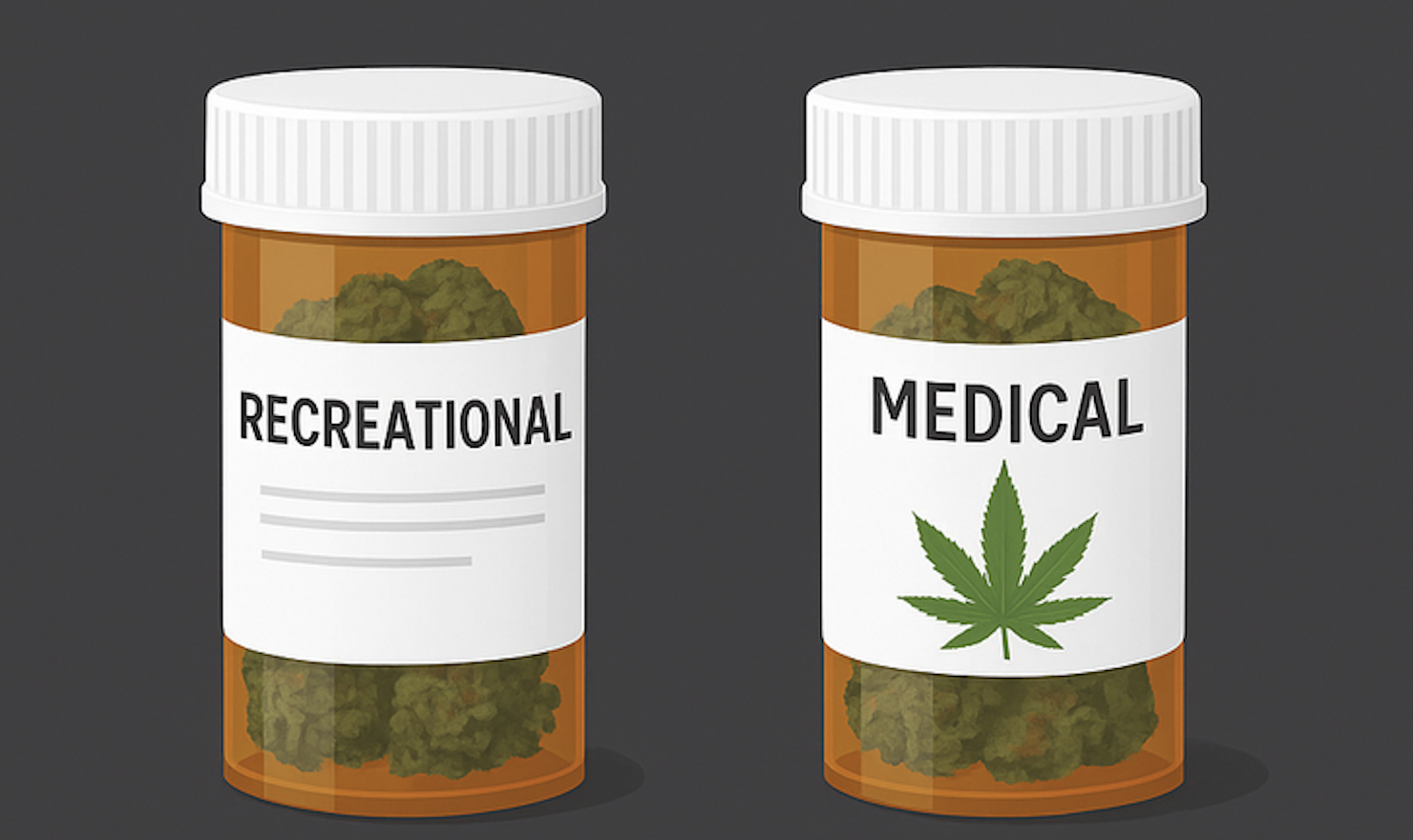
When people think about recreational cannabis vs. medical cannabis, they often imagine two completely different products — maybe one is “stronger,” “purer,” or more carefully cultivated than the other.
But after working inside Colorado’s commercial cannabis farms, I can tell you: that’s not the reality I saw. I did a full blog post on one of the farms I worked at “Seven Five Farm” find it here.
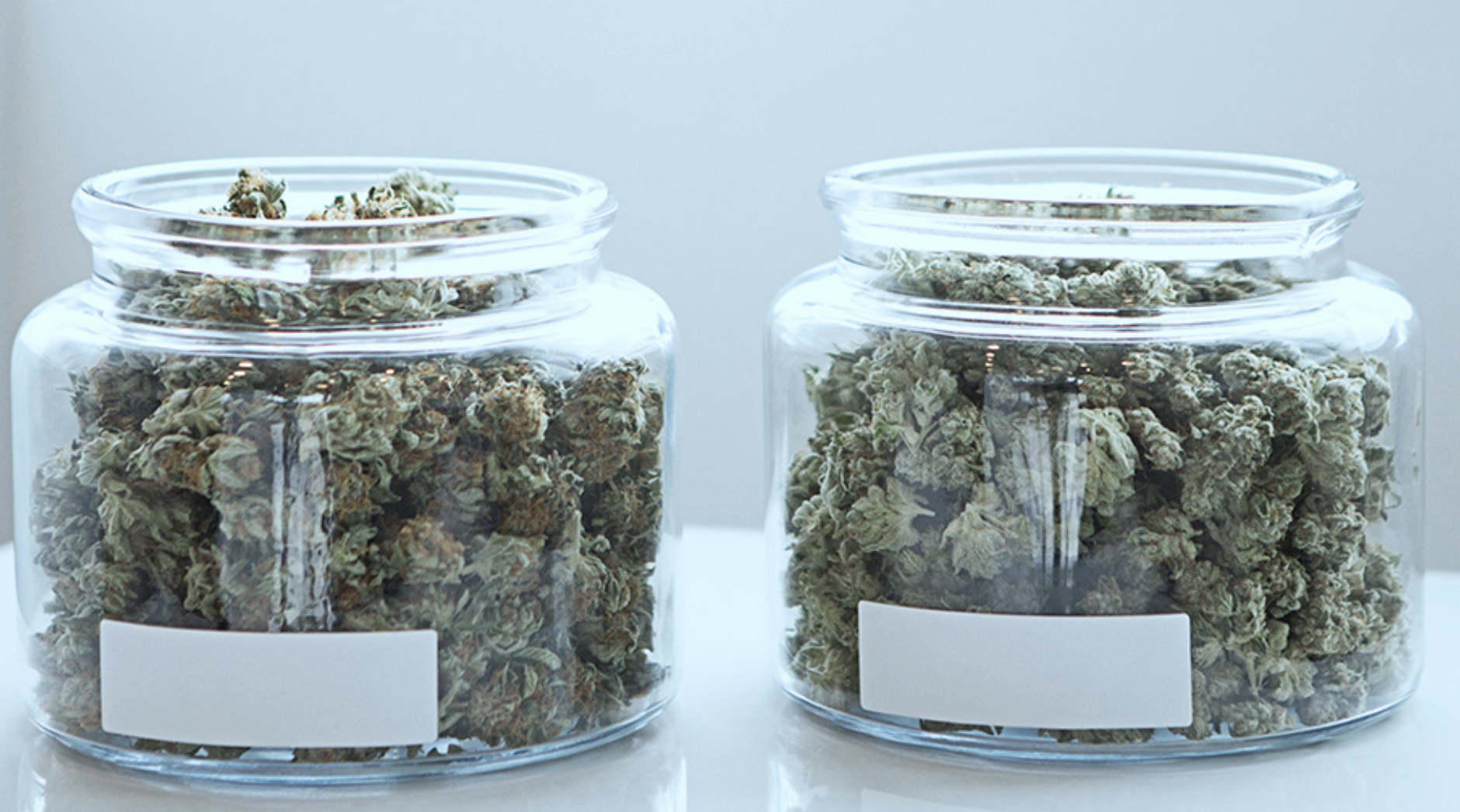
From my experience, there’s no real difference between what ends up on the medical side and what’s sold for adult-use customers. The plants were grown in the same facilities, under the same lights, by the same cultivation teams — and often harvested from the very same rooms.
Let’s break down what people think is different, what the law says, and what’s actually happening behind the scenes.
What the Law Says About Recreational vs. Medical Cannabis
In most legal states, there are two cannabis markets:
- Medical cannabis — for registered patients with qualifying conditions.
- Recreational (adult-use) cannabis — for anyone over the legal age (21 in most states).
The main legal differences usually come down to:
- Taxes — Medical cannabis often has lower or no sales tax compared to recreational.
- Purchase limits — Medical patients can typically buy and possess more at one time.
- Age & access — Only medical patients (or their caregivers) can purchase from the medical menu.
What the laws don’t always dictate is that the cannabis itself must be grown or processed differently. That’s where public perception and reality often split.
Behind the Scenes: My Experience on Colorado Cannabis Farms
When I worked in Colorado’s commercial cannabis industry, our farms supplied both medical dispensaries and recreational dispensaries. The plants destined for each side grew side-by-side in the same cultivation rooms.
We weren’t making special soil blends for the medical side.
We weren’t changing nutrients.
We weren’t giving medical plants extra care.
The only difference came after harvest, during labeling and distribution. Some batches were tagged for the medical market, others for the recreational market — but they were often genetically identical, grown in the same conditions, by the same people.
From my perspective, the separation was more about compliance and paperwork than about two distinct products.
Why the Perception Gap Exists
The cannabis industry is still young in many states, and marketing plays a huge role in shaping how people think about it. The idea that medical cannabis is somehow “better” or “purer” than recreational can be appealing — especially to patients who depend on it for relief.
But the truth is: in most large-scale operations, the quality comes from the grower and the process, not the market it’s destined for.
So… Is There a Real Difference?
From what I’ve seen, in Colorado and likely in many other states:
- The plant? The same.
- The cultivation process? The same.
- The final product? The same — just labeled differently for compliance.
The biggest differences come down to cost, access, and legal protections, not the flower itself.
Why This Matters for Home Growers
If you’re growing your own cannabis at home — whether for medical relief, personal enjoyment, or both — the line between “medical” and “recreational” is one you get to define yourself.
With the right genetics, environment, and care, your homegrown flower will far exceed the quality of what’s on either side of the dispensary counter at about 95% of dispensaries in my experience.
And unlike the commercial farms, you can control every step — from seed selection to harvest — making sure your cannabis is truly grown for you.